Key takeaways
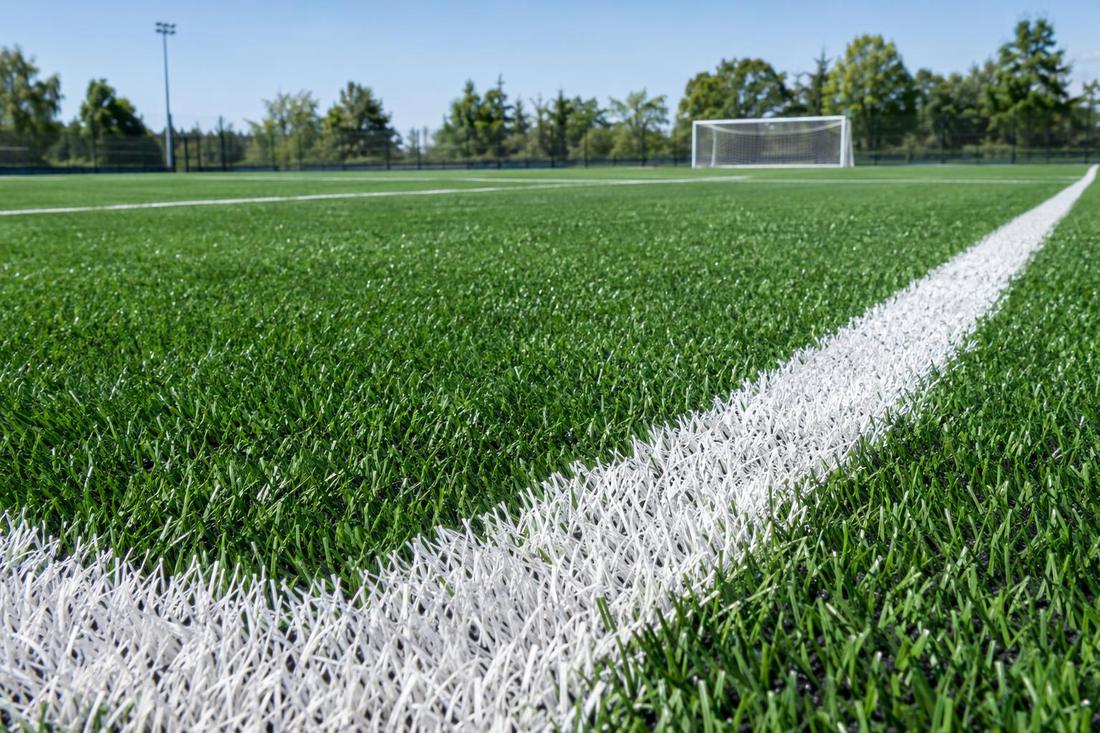
- Synthetic turf supports more hours of play and drains quickly after rain.
- Natural grass is cooler, familiar and lower in upfront work for some sites.
- Both need a graded, drained base and regular care.
- The right choice depends on how many teams use the field and how often.
Hours of play
A natural grass field needs rest to recover, especially in wet weather. Heavy use wears the turf into dirt. Synthetic turf can host more games and practices in the same week and holds up through the season.
Schools and clubs with many teams often choose synthetic for that reason.
Drainage and weather
Both fields need good drainage. Synthetic systems sit on a drained stone base and move water through the surface quickly. Natural fields rely on grading, soil and sometimes drain lines to stay playable. Tennessee rain makes this a key part of the decision.
Hot summer days make synthetic turf warmer, so shade and cooling plans help.
Care and upkeep
Natural grass needs mowing, feeding, seeding, aeration and weed control. Synthetic turf needs brushing, cleaning, infill checks and seam inspection. Neither is no-care, and both last longer when someone owns the schedule.
Ask your builder for a simple care plan before you decide.
Fit for the use
A backyard practice area, a school field and a club complex have different needs. Smaller, lightly used spaces may do well with natural grass, while busy fields and training lanes lean toward synthetic. Some owners use turf for high-wear zones and grass elsewhere.
A site visit helps match the field to the plan.
Official sources and further reading
These are independent organizations. Links open in a new tab.
Quick answers
Is synthetic turf safe for athletes?
Modern systems use shock pads and tested infill. Ask for the testing information on the system you are considering.
Can you build a natural grass field?
Yes. We grade, drain, prepare the soil and establish the turf.