Key takeaways
- Rules vary by city and county, so ask before you design.
- Call 811 before digging so buried lines are marked.
- Setbacks, stormwater and lighting rules often apply to courts and fields.
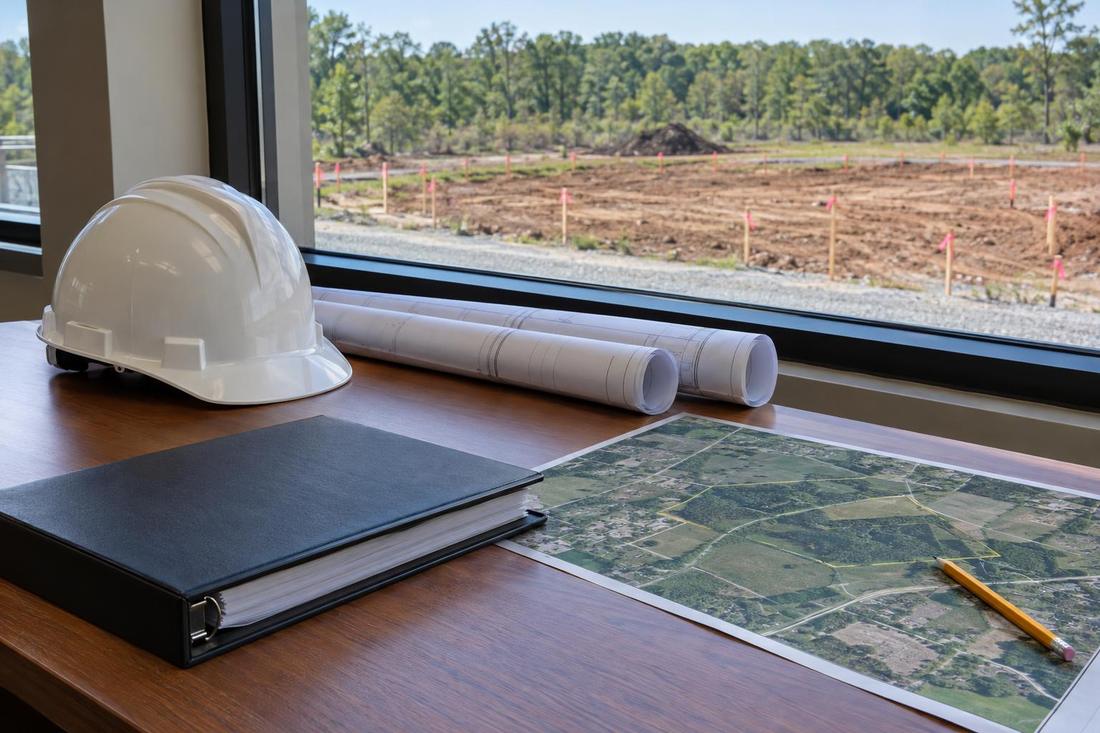
- A clear site plan saves time at review and during construction.
Start with the local rules
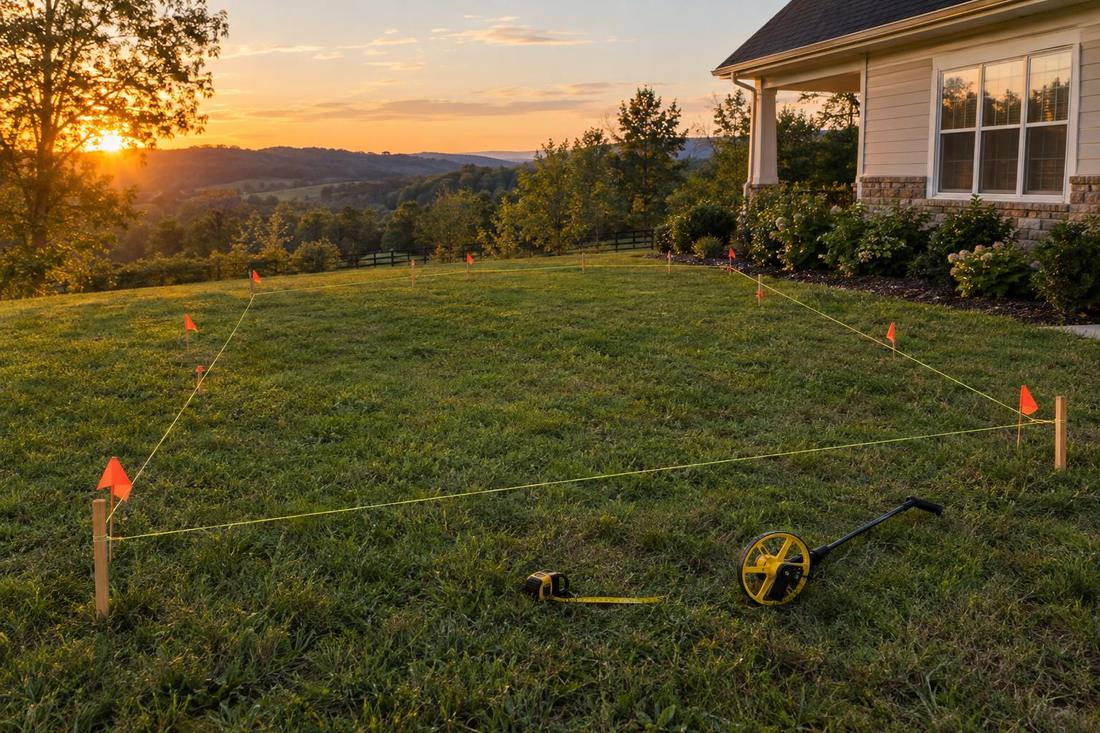
Cities and counties differ on what they require for courts, fences, lights and grading. Some require permits, setbacks and site plans, and some have limits on fence height or hours of use. A short call to the local codes office early in the process avoids surprises.
Around Nashville, the Metro codes office is the place to ask.
Utilities and 811
Before any digging, call 811 so utilities are marked. This is free and required, and it protects both the crew and the property. Plan for gas, water, power, sewer and communications lines that may cross the area.
Septic fields and wells need special care.
Stormwater and grading
A new court or field changes how water moves across a property. Neighbors, creeks and slopes all matter. Larger sites may need erosion control and stormwater plans during construction.
A good plan sends water where it will not cause problems.
HOA and neighbor rules
Many neighborhoods have covenants on fences, lights, fields and courts. Share your plan with the HOA and with neighbors who will see or hear the court. A drawing and a few photos can answer most questions before they turn into objections.
Keep approvals in writing.
Official sources and further reading
These are independent organizations. Links open in a new tab.
Quick answers
Do I need a permit for a backyard court?
It depends on the city, the size and the features such as fences and lights. Ask your local codes office.
Can you handle the paperwork?
We prepare site plans and help with submittals, and we explain what applies to your project.