Key takeaways
- Soft surfaces and good run-off space reduce injuries.
- Fences, netting and padding protect players, spectators and neighbors.
- Bleachers and seating need guardrails and stable footing.
- Accessible routes and seating let everyone take part.
Surfaces and run-off
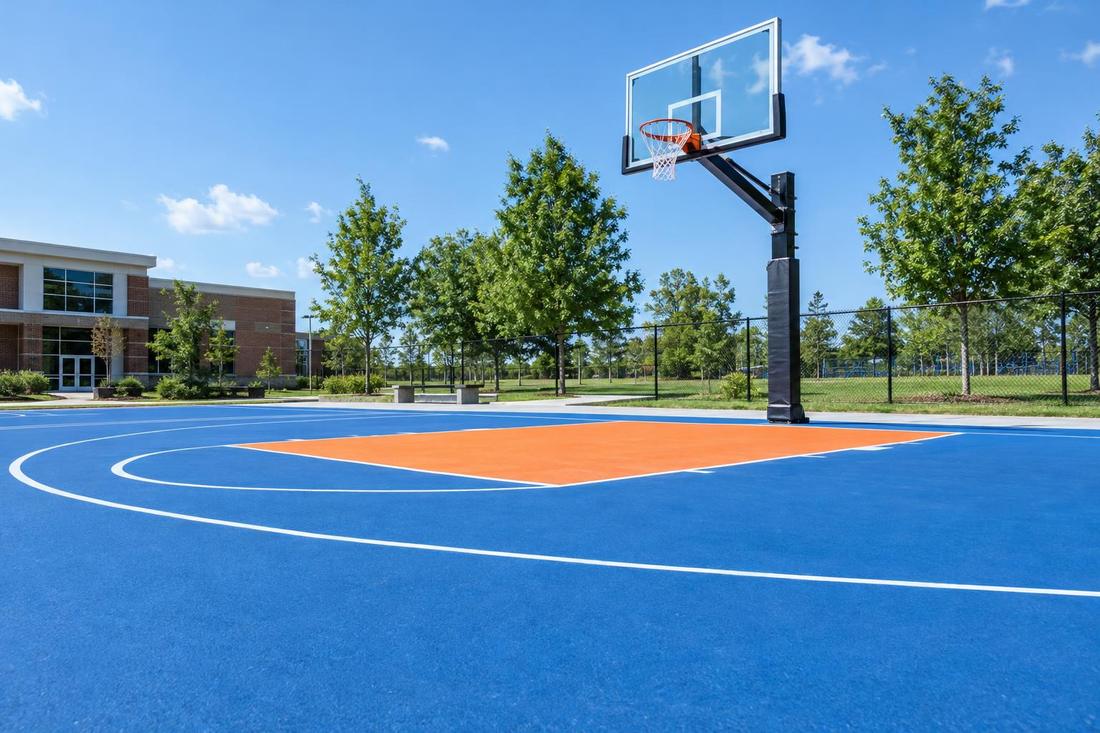
Players need a surface that suits the sport and room to stop. Cushioned acrylic, turf with a shock pad and rubber surfaces all reduce the shock on joints. Clear space beyond the lines gives players room to recover.
Check that walls, poles and benches are not too close to the play area.
Fencing and netting
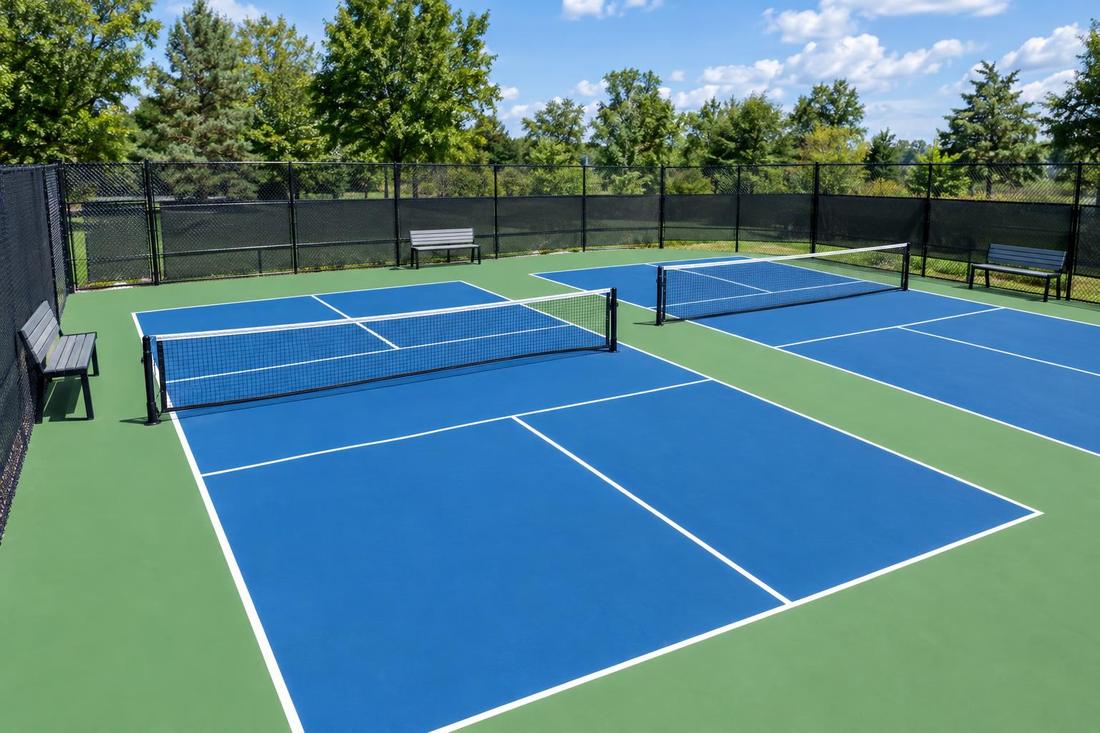
Fences keep balls and players where they belong. Taller fences and netting help around roads, homes and windows. Gates should open outward and latch securely.
Padding on posts and backstops adds a layer of protection.
Bleachers and seating
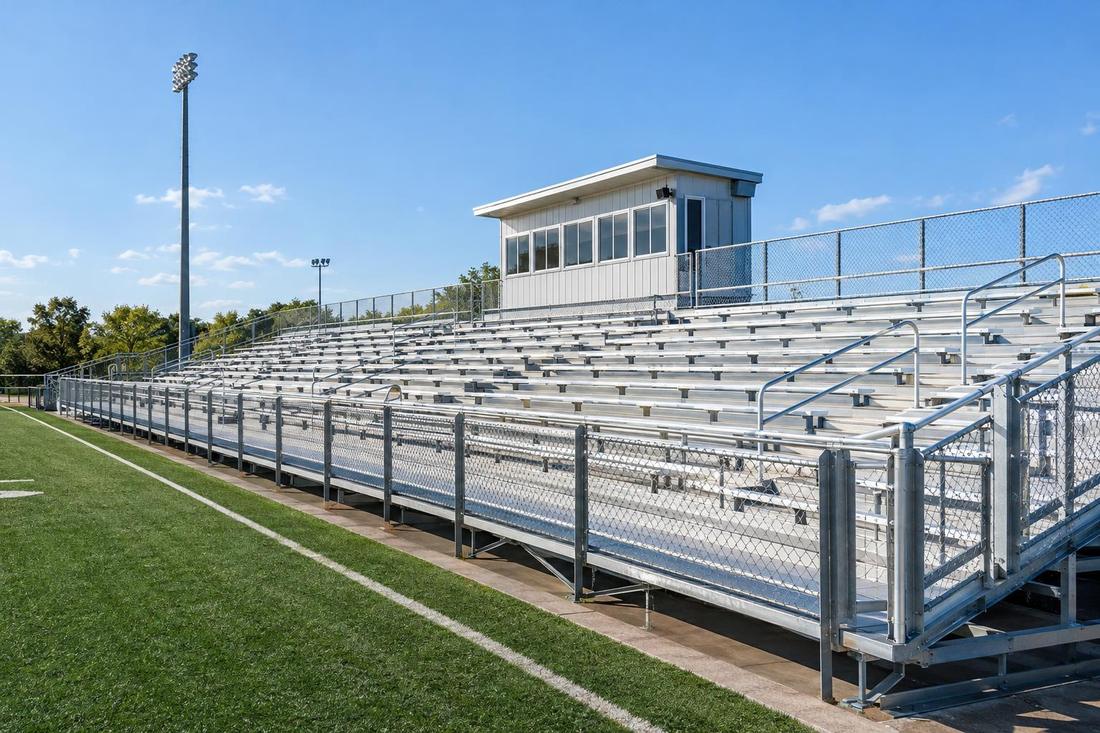
Seating needs stable footing, guardrails where needed and clear steps or ramps. Place seating away from foul ball paths or add netting. Shade and benches make a facility feel welcoming.
Check codes for seating height and guardrails.
Accessible design
Accessible routes, seating spaces and entrances let more people use the facility. Public and school facilities often need to meet accessibility standards. Plan paths and surfaces early so the layout works.
Your builder can walk through what applies.
Official sources and further reading
- U.S. Consumer Product Safety Commission playground safety
- ADA standards for accessible design
- International Code Council
These are independent organizations. Links open in a new tab.
Quick answers
What safety surface is best for a play area?
Rubber and engineered surfaces rated for fall height are common choices. The right one depends on equipment height and use.
Do spectators need netting?
Often yes near fields and courts where balls can leave the play area. We plan netting with the layout.